At the special session of the 6th DIM Dialogue, efforts made in the development of human capital, lifelong learning, and acquiring modern skills in achieving sustainable development in Azerbaijan were discussed.
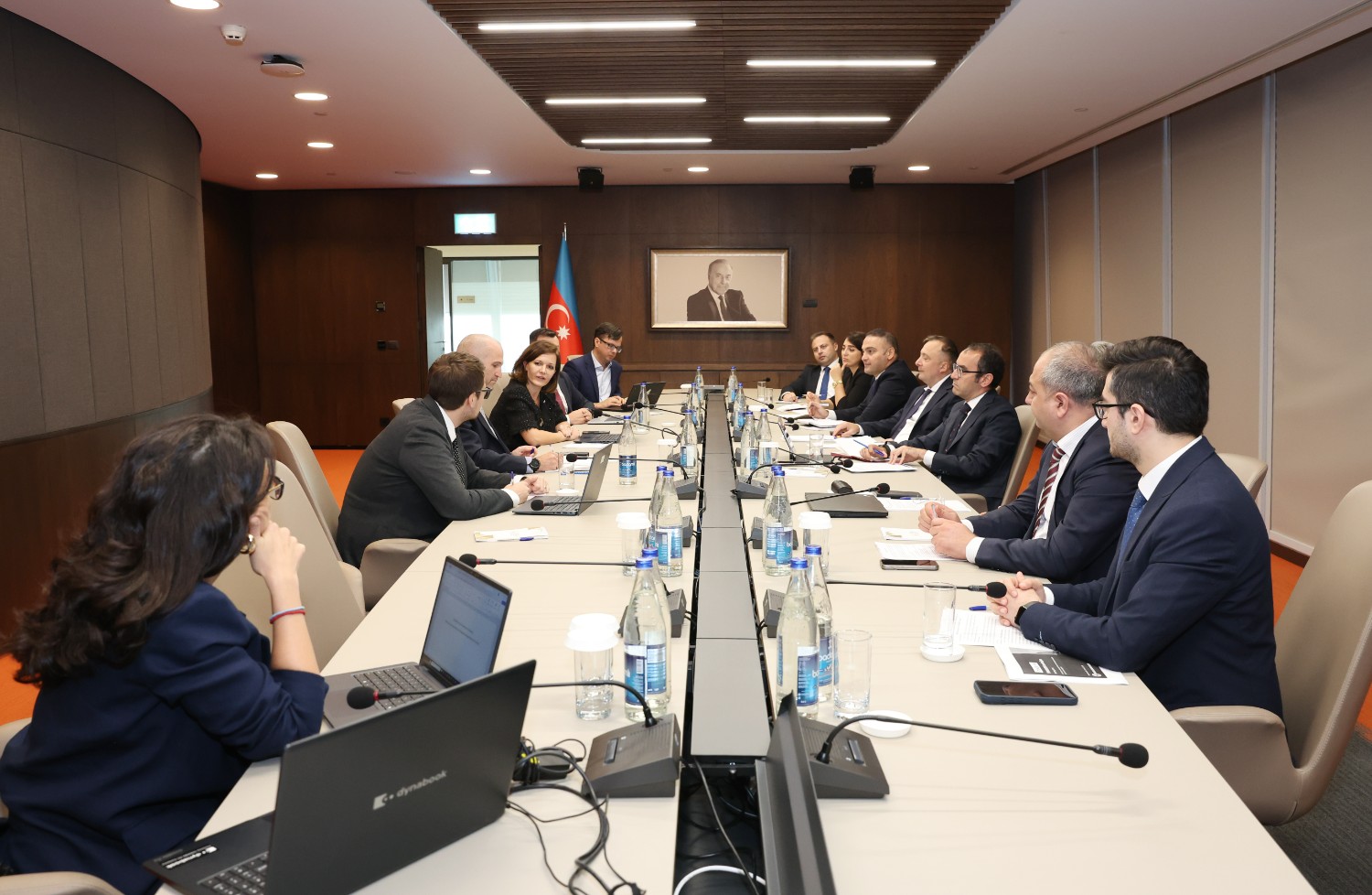
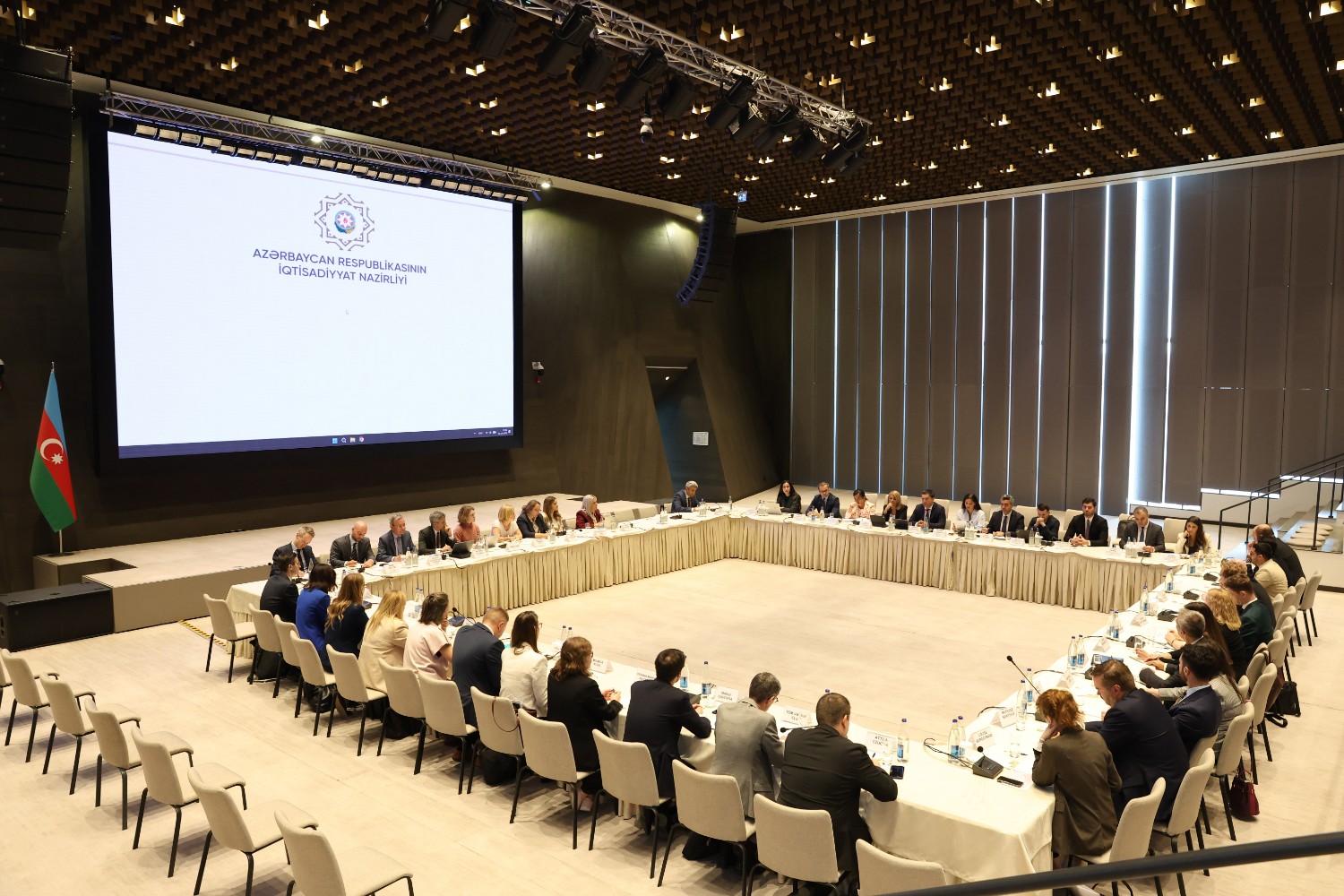
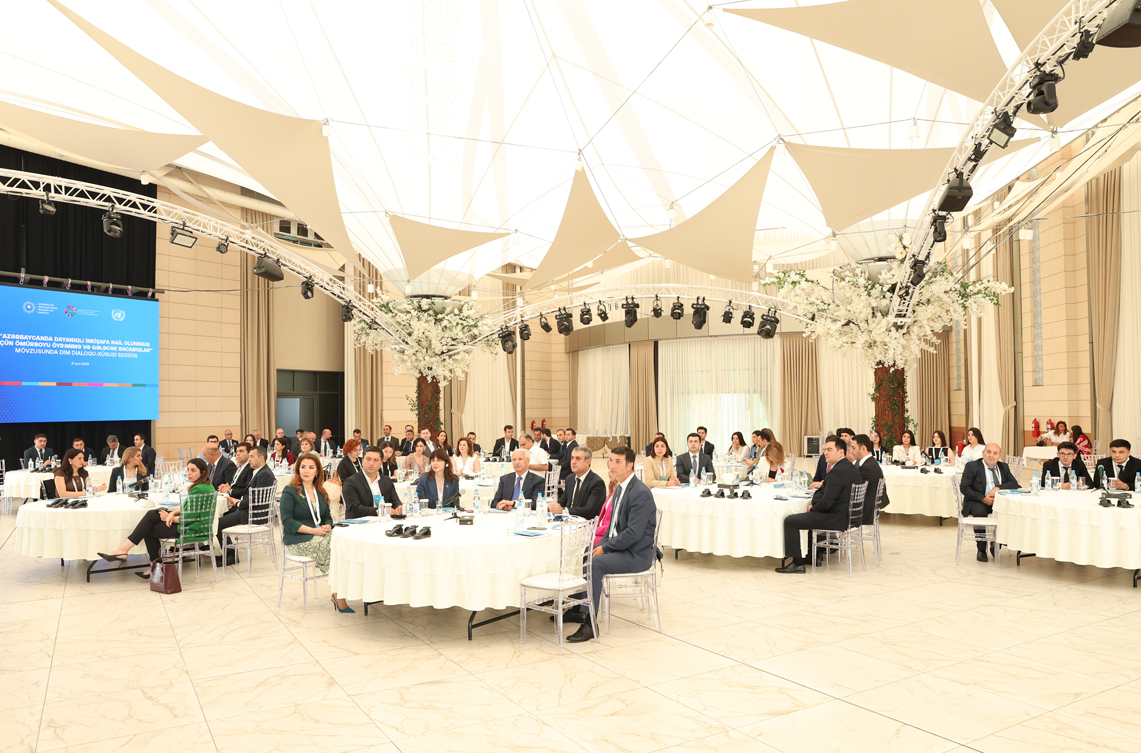
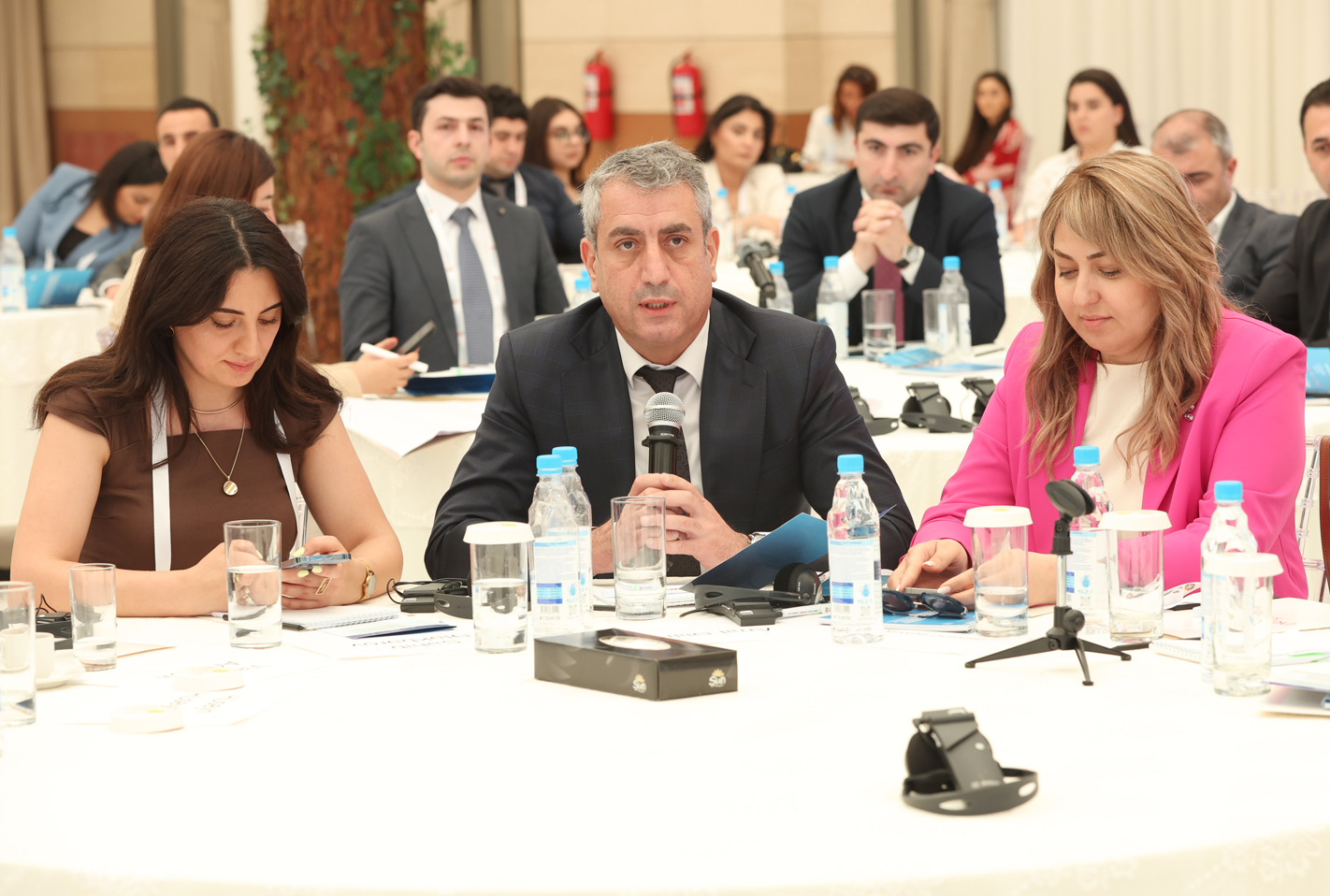
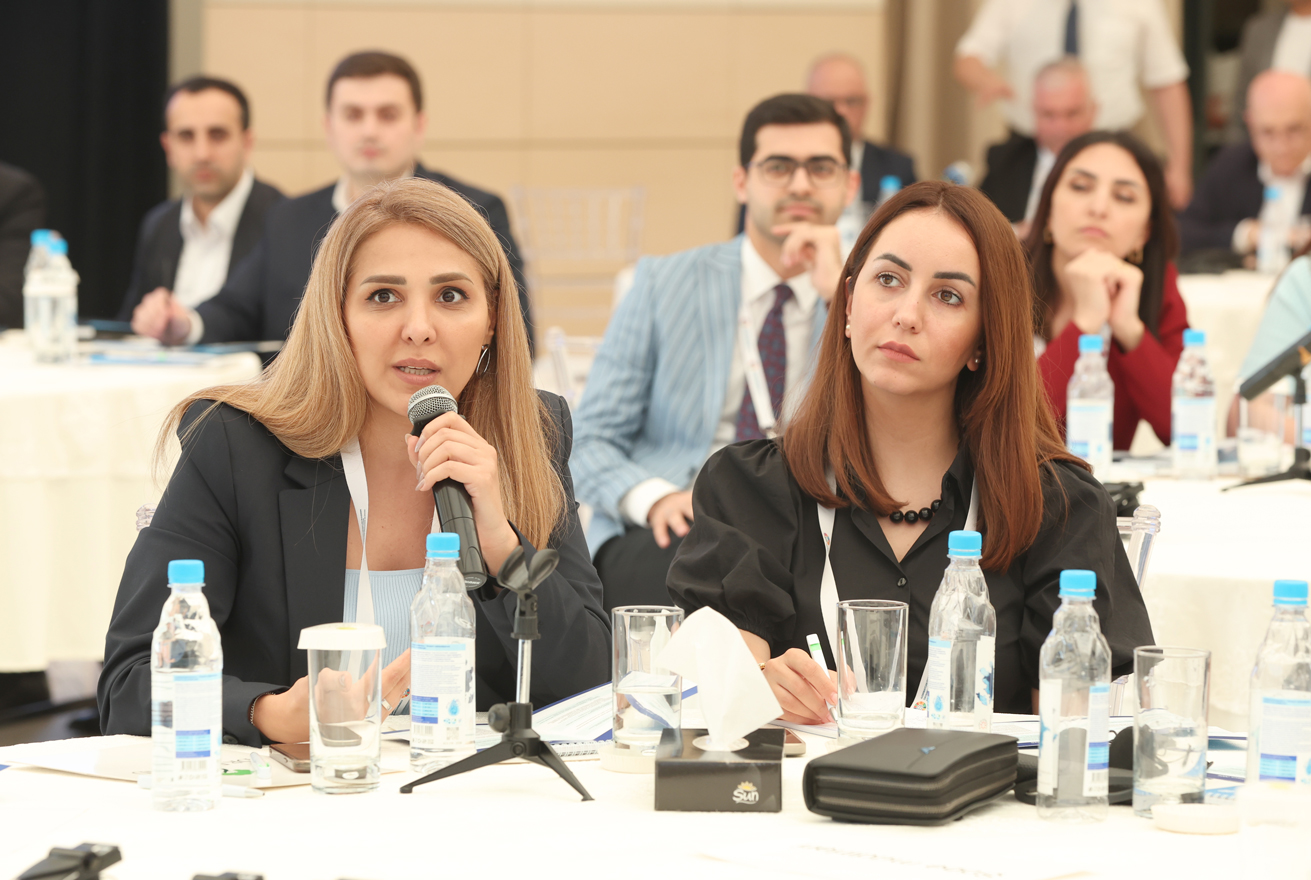
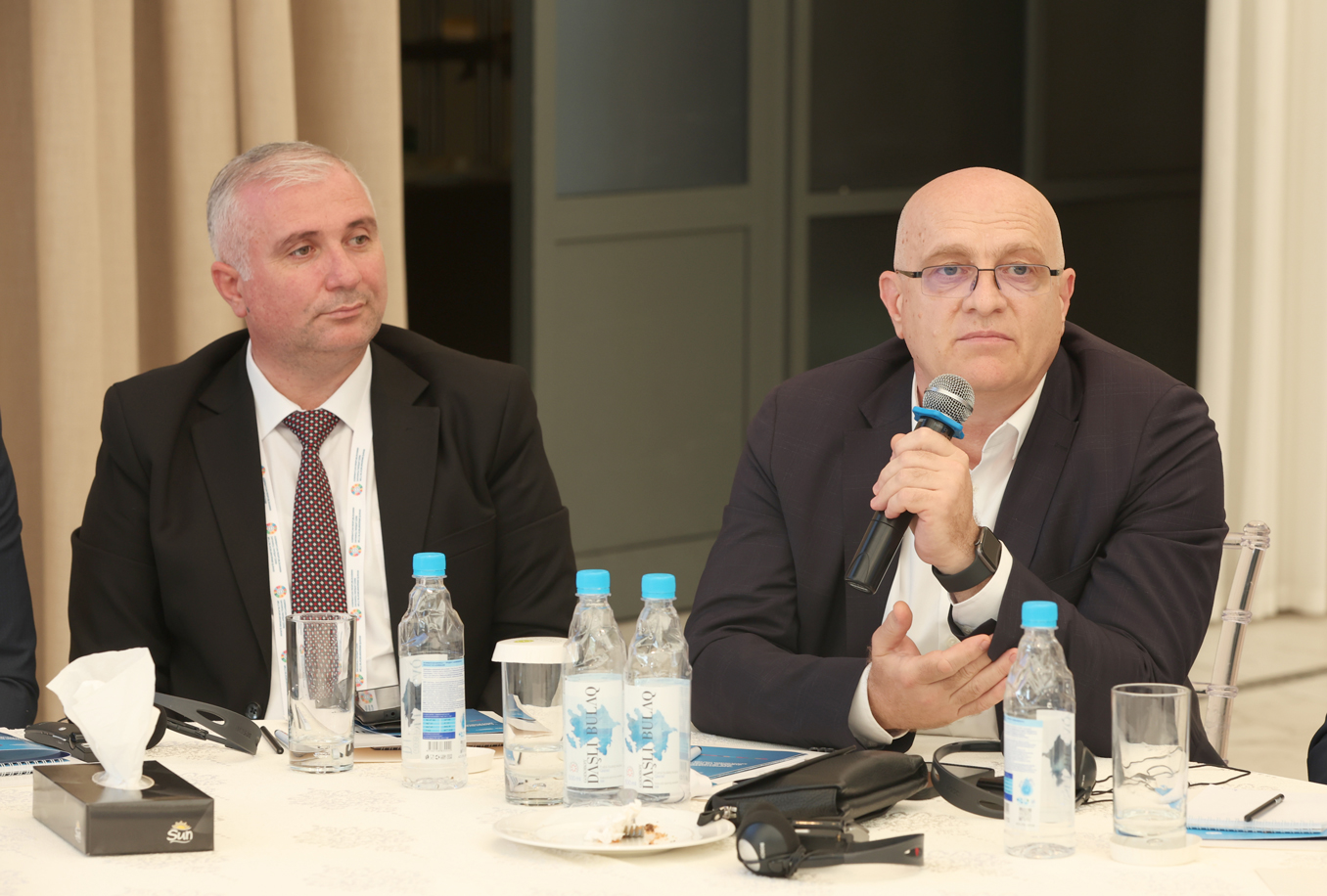
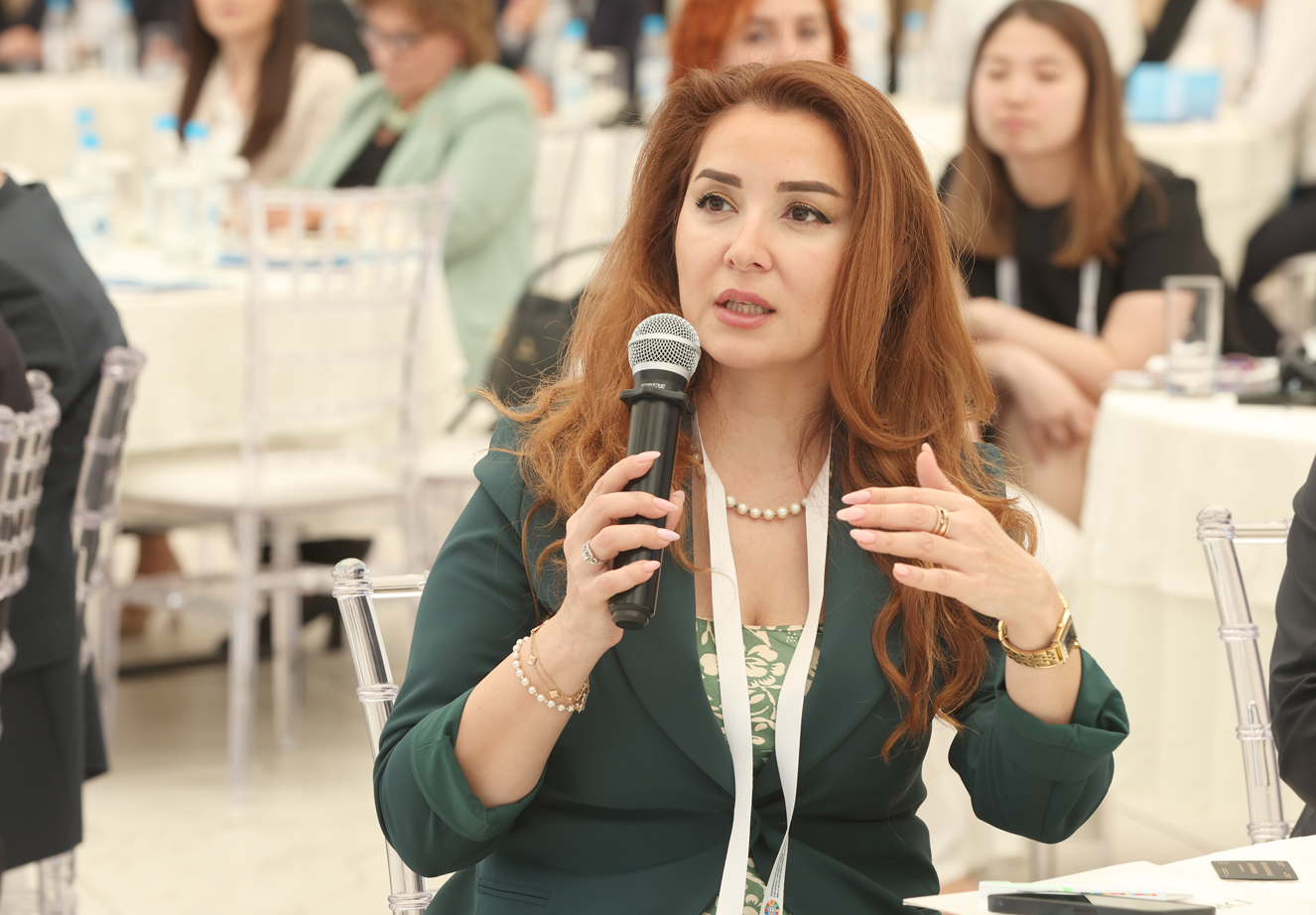
A special session of the 6th Sustainable Development Goals (SDG) Dialogue on the theme “Lifelong Learning and Future Skills for Achieving Sustainable Development in Azerbaijan” was held, jointly organized by the Ministry of Economy, the Secretariat of the National Coordination Council for Sustainable Development, and the United Nations Resident Coordinator’s Office in Azerbaijan.
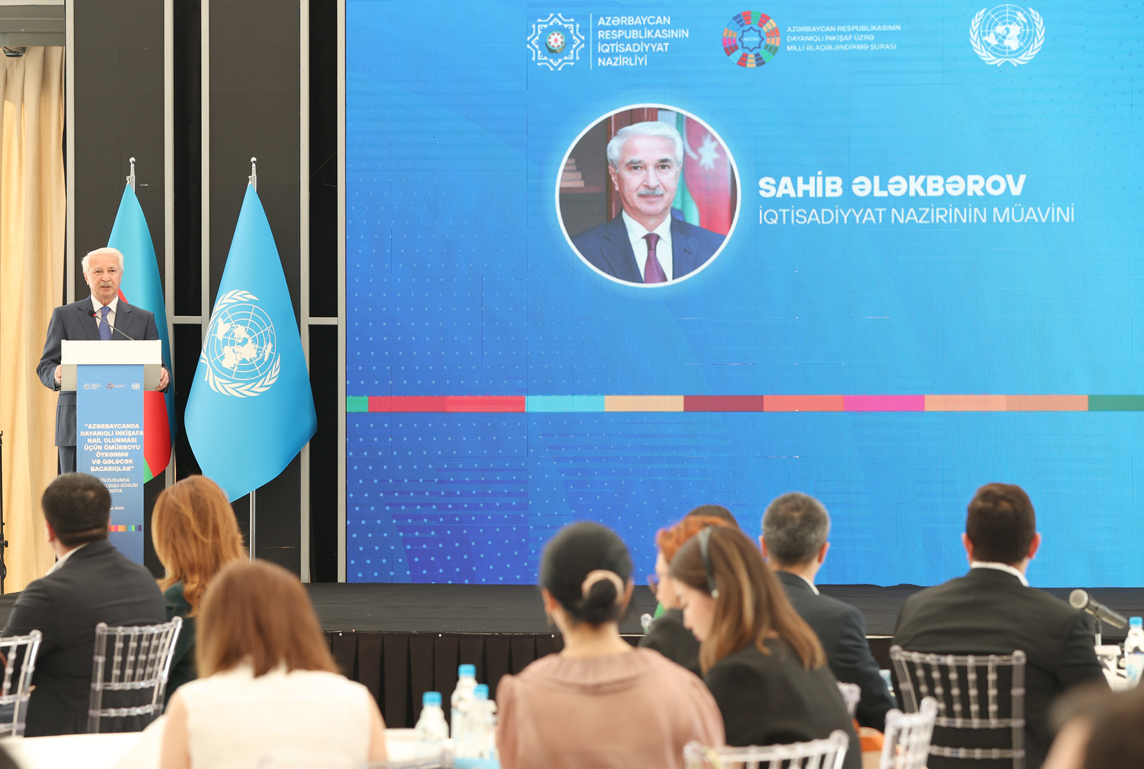
At the event, Deputy Minister of Economy Sahib Alakbarov emphasized the effective cooperation with the United Nations, noting that Azerbaijan is the only country in the region and the Commonwealth of Independent States (CIS) to have submitted four Voluntary National Reviews (VNRs) to the UN. It was highlighted that in the UN Department of Economic and Social Affairs’ 2025 publication on Voluntary National Reviews, the innovative approaches applied in Azerbaijan for financing the implementation of the Sustainable Development Goals (SDGs) were positively assessed and recommended for adoption by other member states.
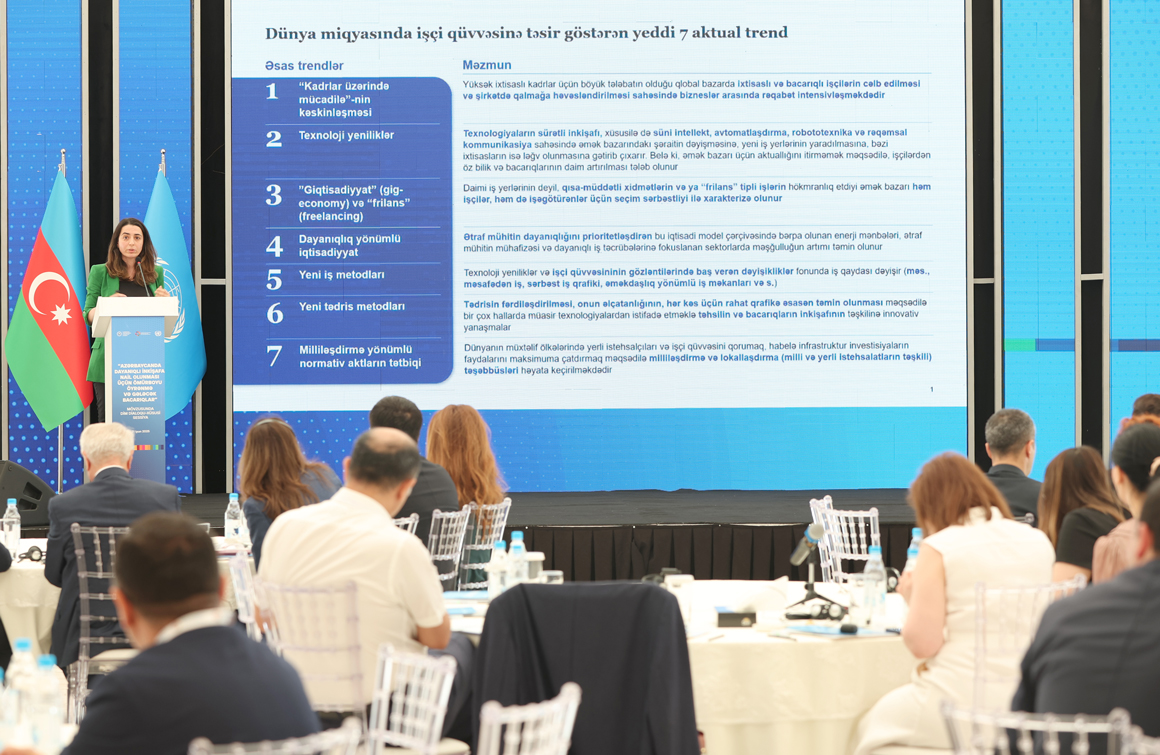
The session highlighted the role of lifelong learning, the enhancement of modern knowledge, and digital skills in developing a competitive human capital—one of Azerbaijan’s five national priorities to be achieved by 2030, closely aligned with the Sustainable Development Goals (SDGs). The importance of education that meets the demands of the modern era in shaping competitive human resources was emphasized. Today’s global challenges—such as climate change and rapid technological transformations—require not only technical knowledge but also the acquisition of new skills. Skills like critical thinking, creativity, and teamwork are considered as important as core professional qualifications in the modern world.
The event provided information on the efforts undertaken in Azerbaijan to develop human capital. It was noted that significant work has been carried out in the country to identify talented youth and to establish a pool of professional personnel.
It was highlighted that, with the aim of developing human capital, the "4IR (Fourth Industrial Revolution) Academy" has been established by the 4SİM (Center for the Fourth Industrial Revolution), operating under the Ministry of Economy, in collaboration with the Ministry of Science and Education’s Education Development Fund and the U.S.-based company "Coursera". Thousands of citizens have already benefited from this initiative. In order to accelerate the transition to a digital economy in the country, the “National Program” project — launched within the framework of the 4IR Academy — continues to support the development of knowledge and skills in fourth industrial revolution technologies and the preparation of qualified personnel for the labor market in this field. Since April of this year, this project has provided tens of thousands of citizens with free access to over 8,000 training courses offered by more than 300 universities and dozens of leading technology companies over the course of one year.
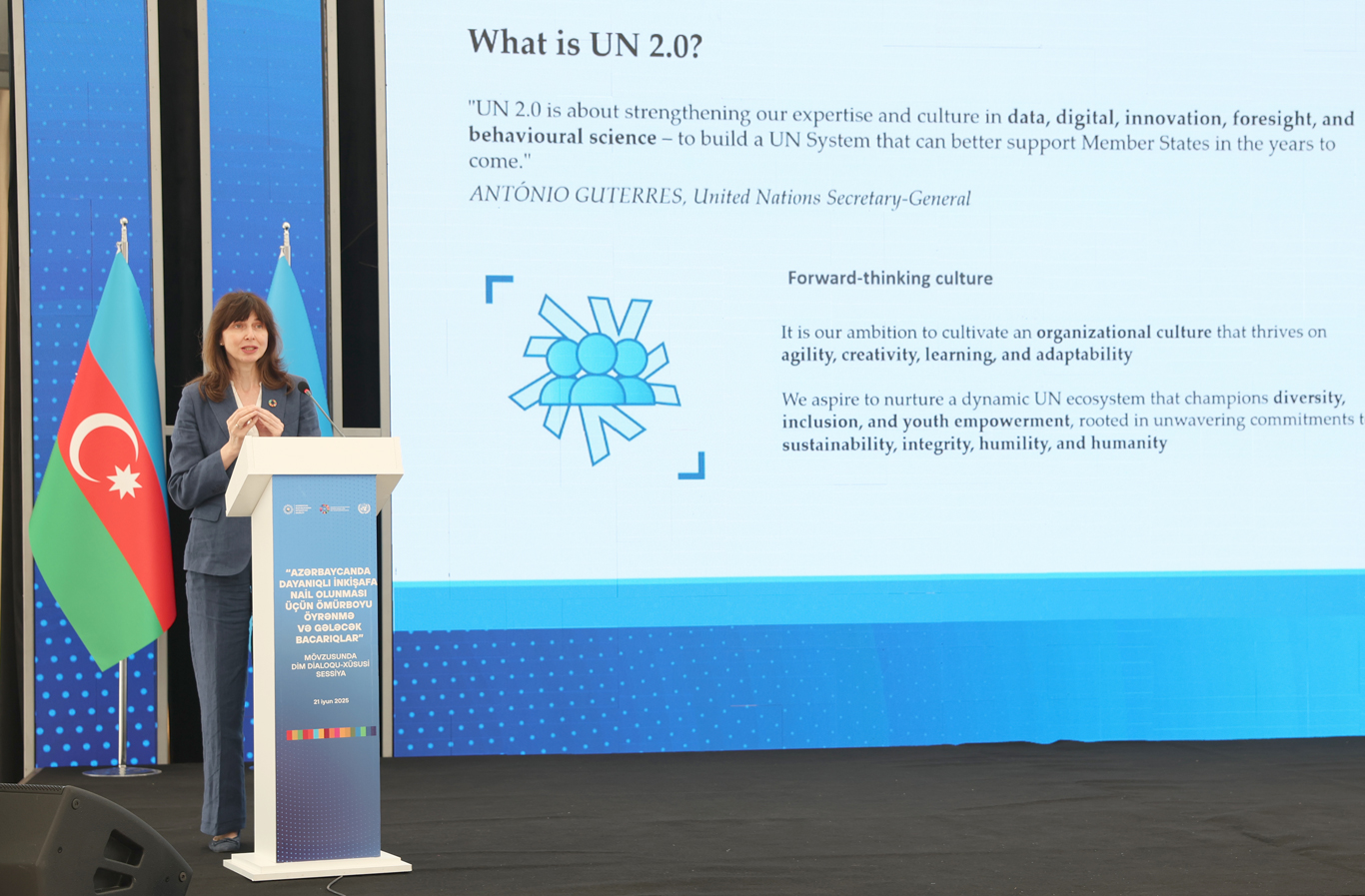
The United Nations Resident Coordinator in Azerbaijan, Vladanka Andreeva, commended the efforts undertaken by Azerbaijan towards achieving the Sustainable Development Goals (SDGs) and shared her views on the importance of lifelong learning for sustainable development.
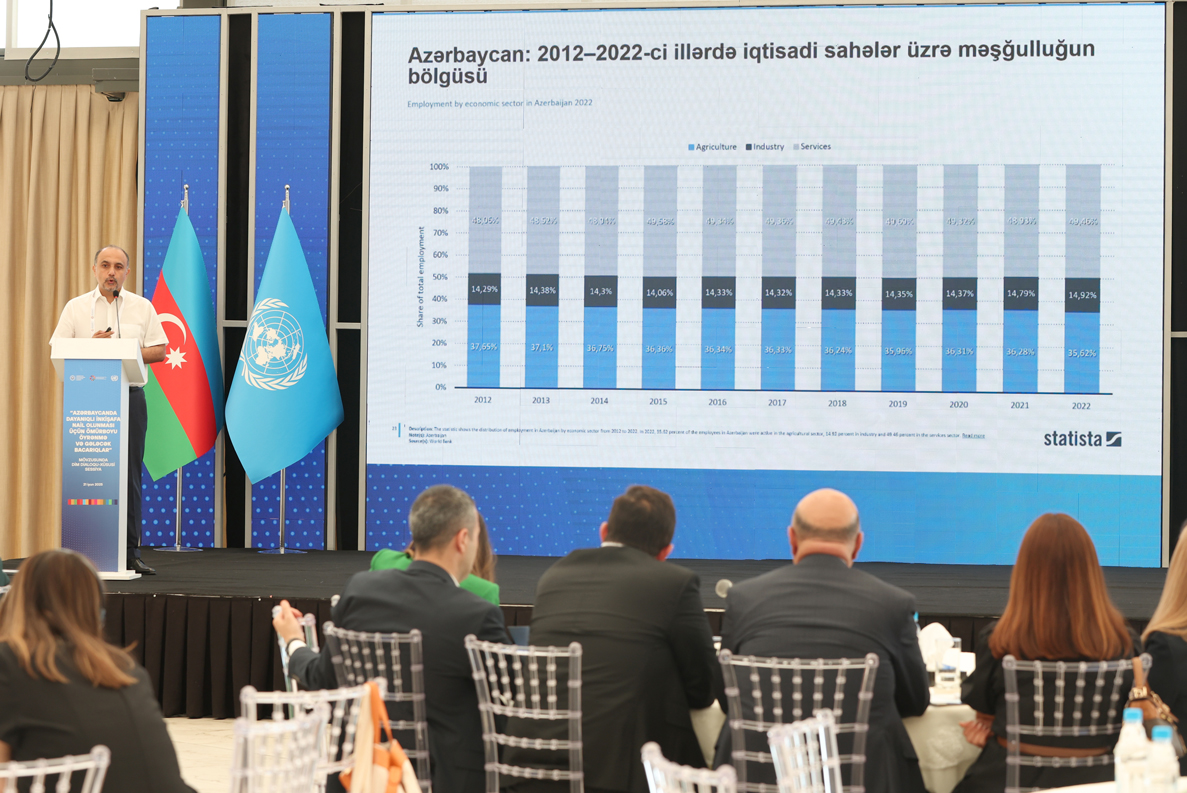
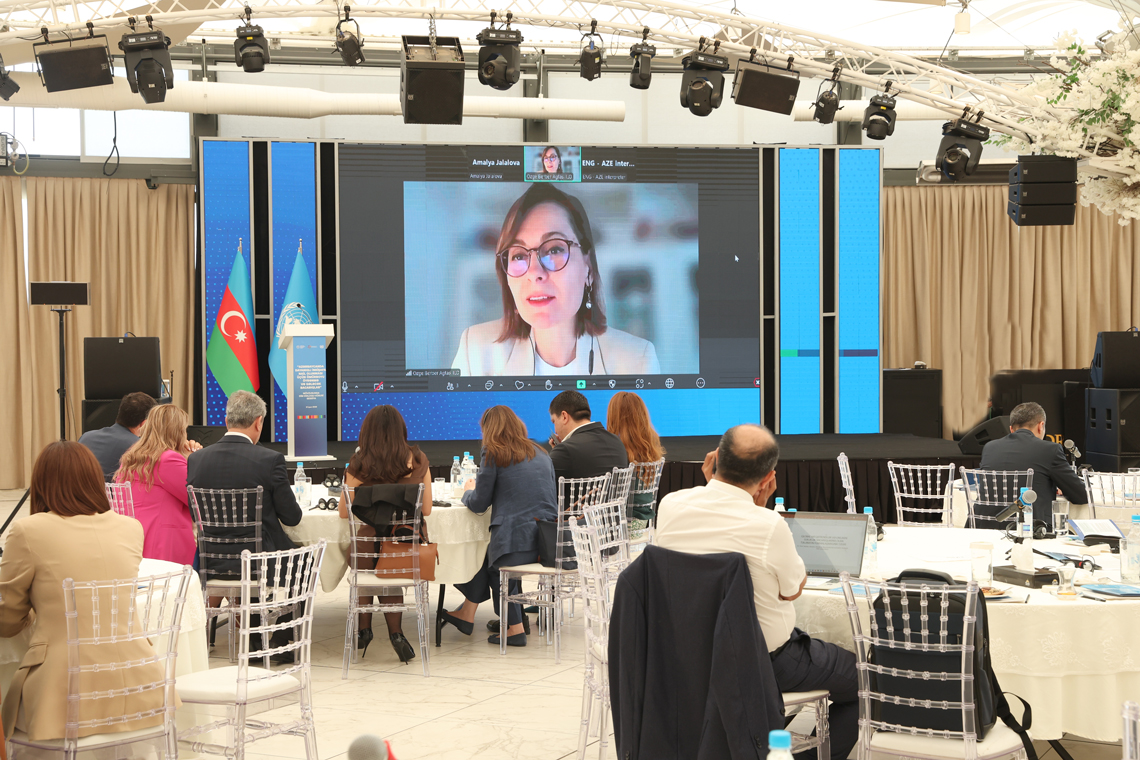
A representative of McKinsey & Company, Gozde Kızılırmak, spoke about global trends and the importance of lifelong learning in economic development. Expert from the International Labour Organization, Ozge Berber-Agtash, and ADA University Associate Professor, Anar Valiyev, delivered presentations highlighting inclusive employment policies and global trends influencing the development of modern skills.
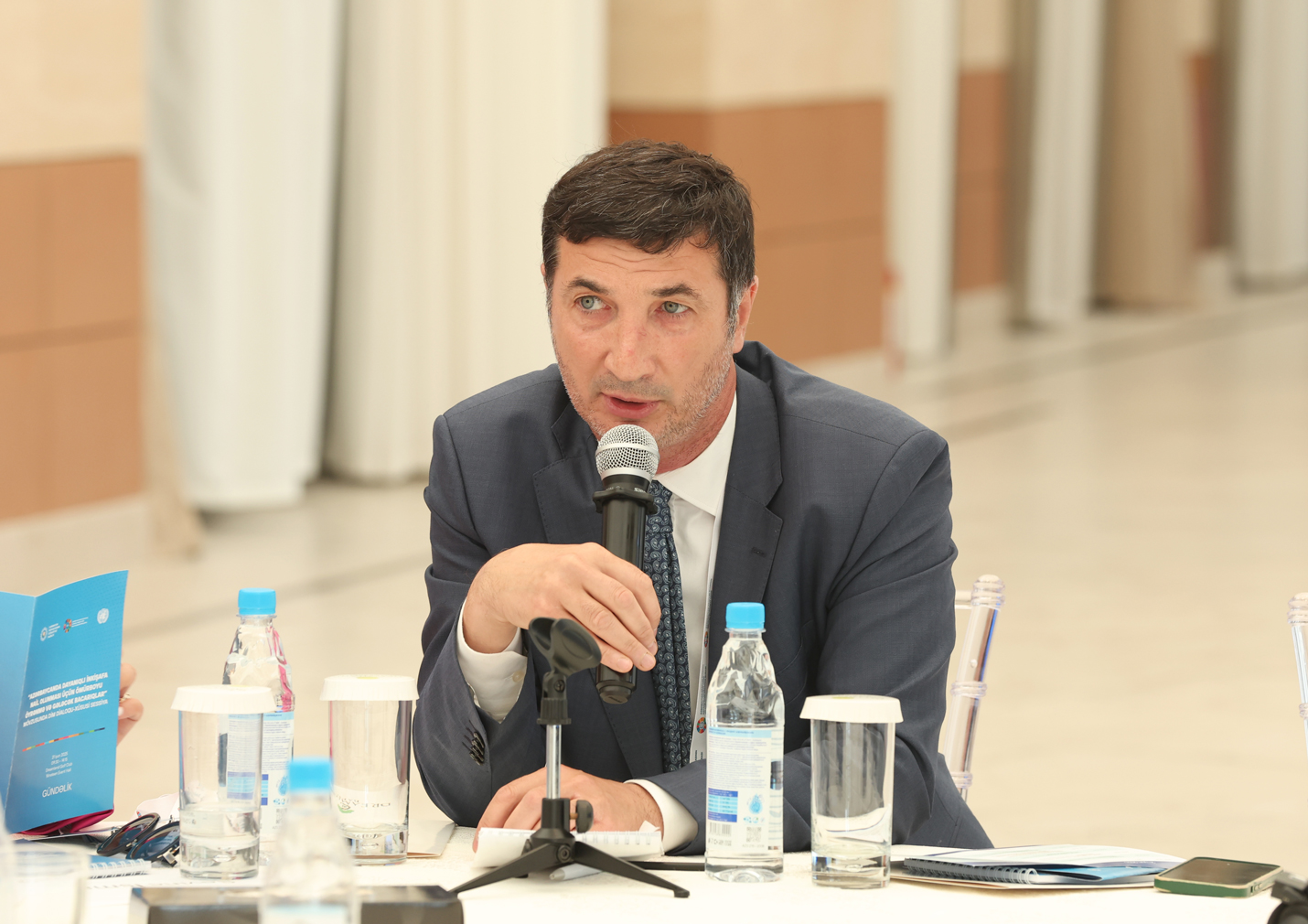
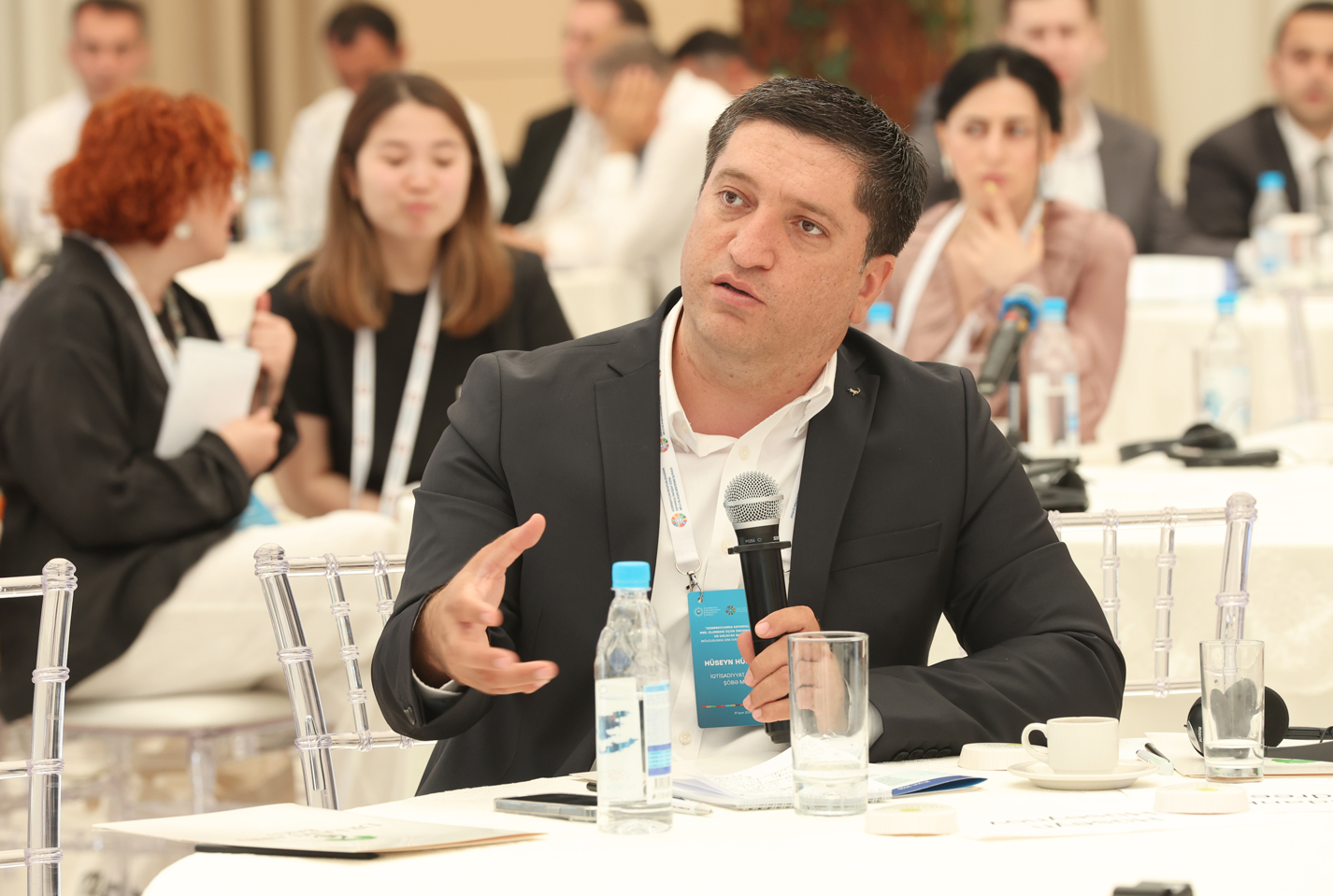
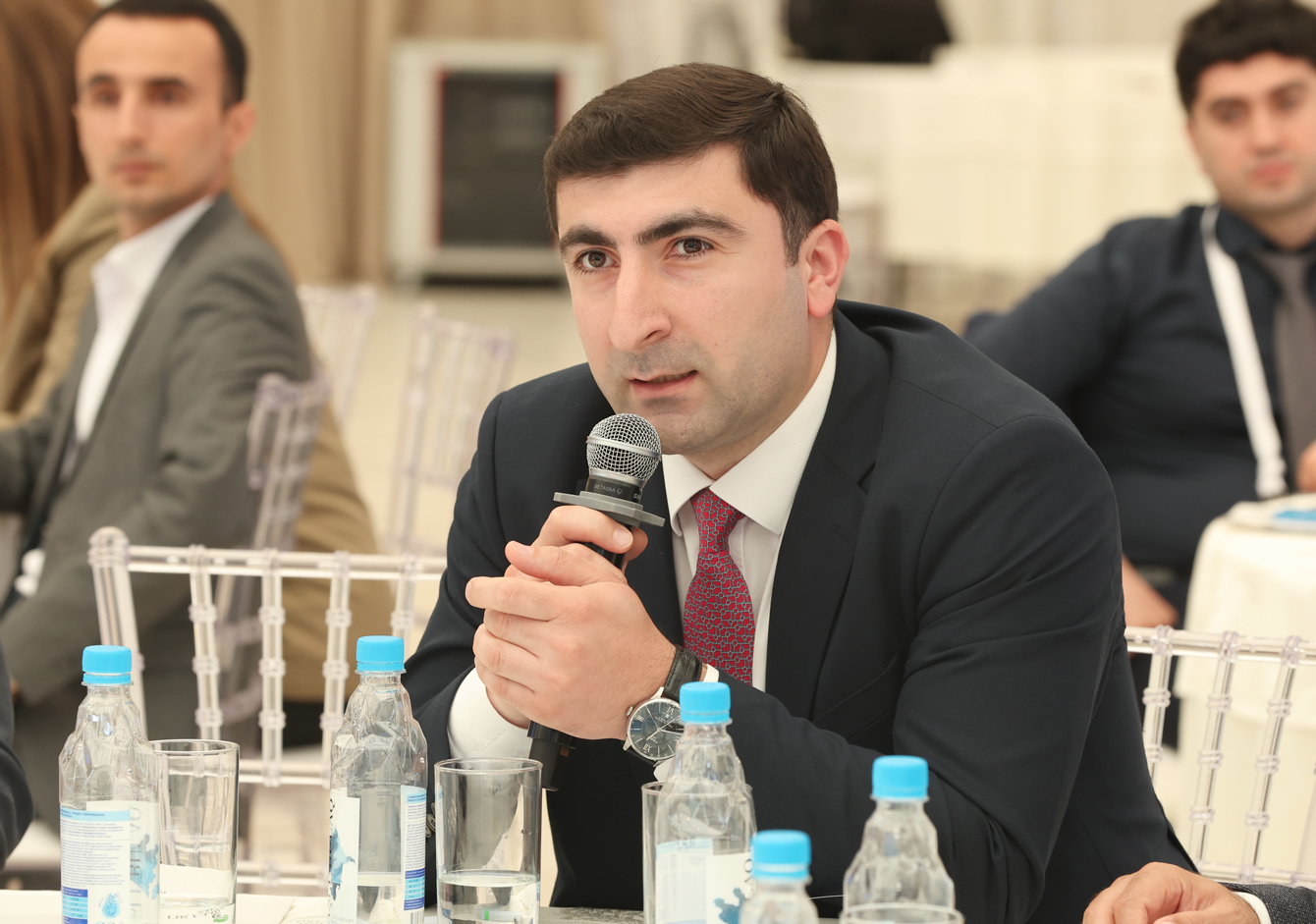
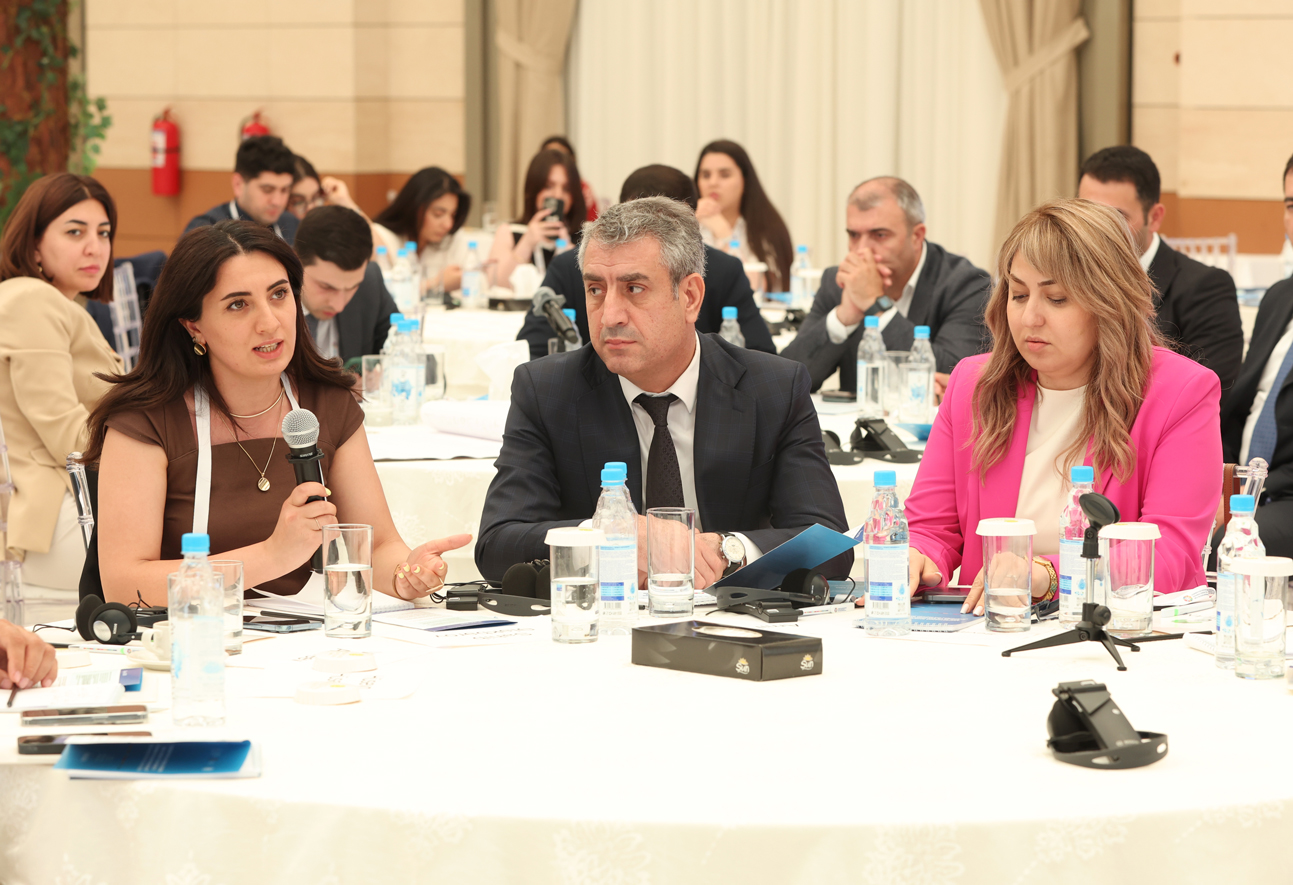
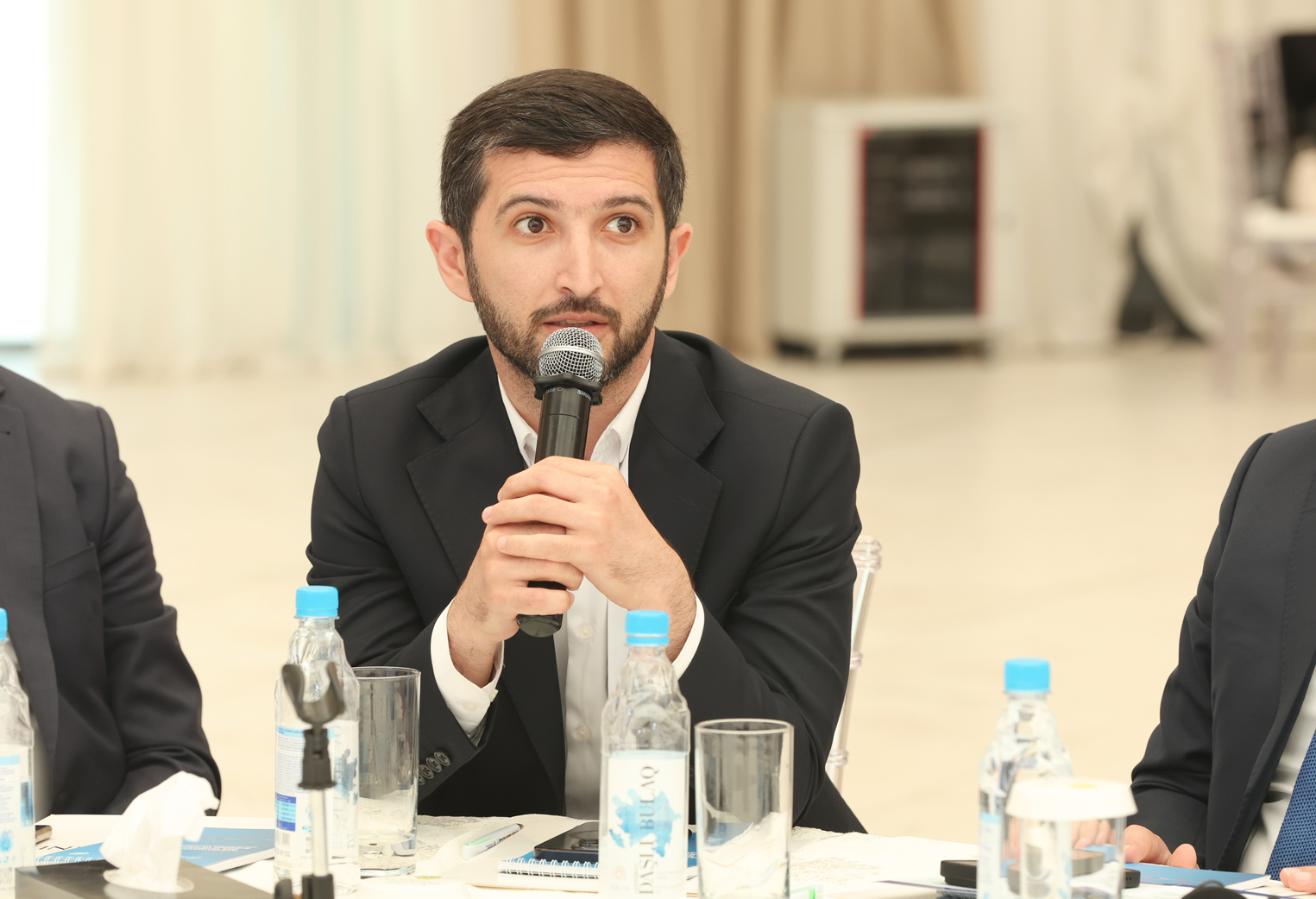
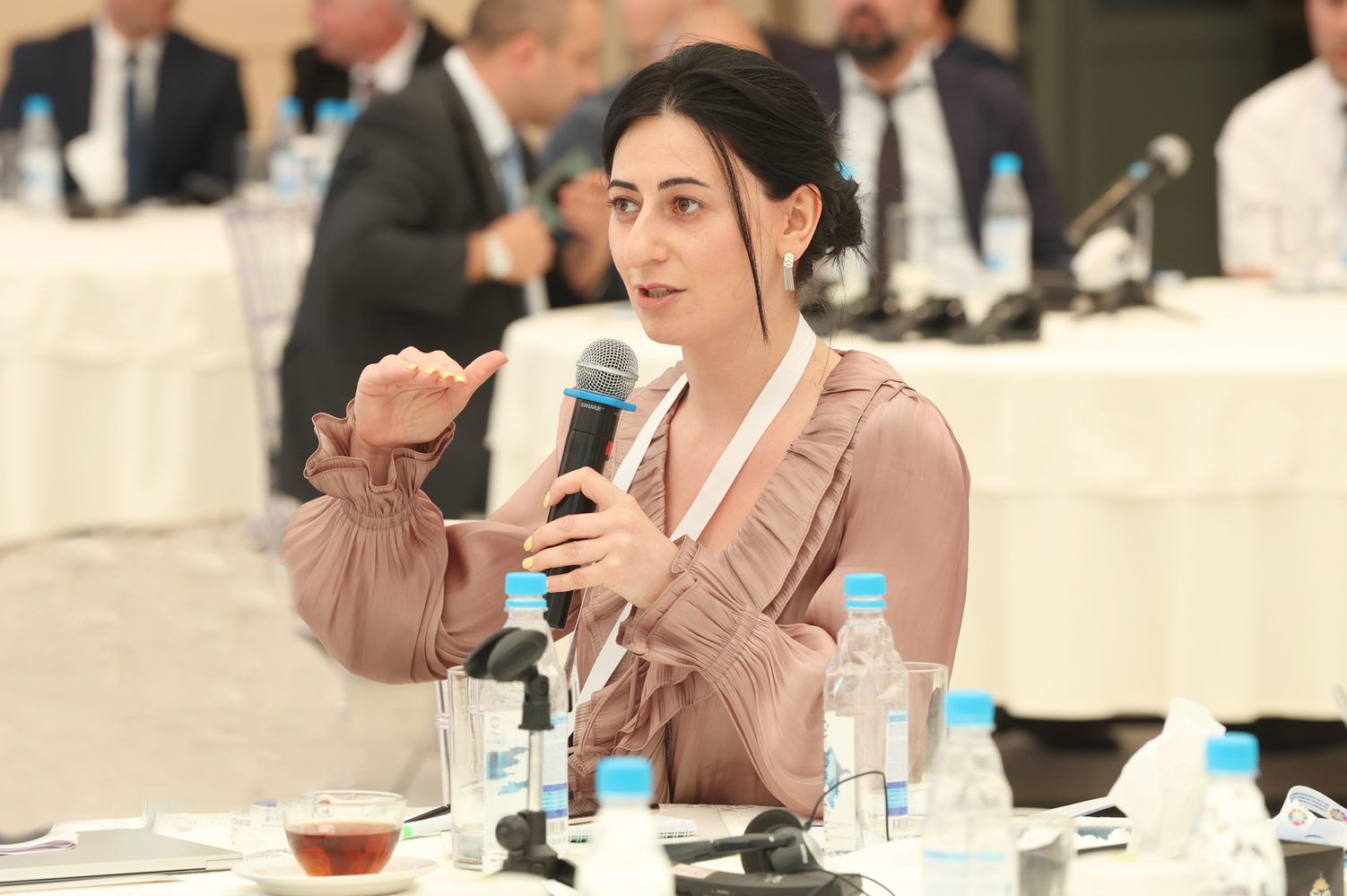
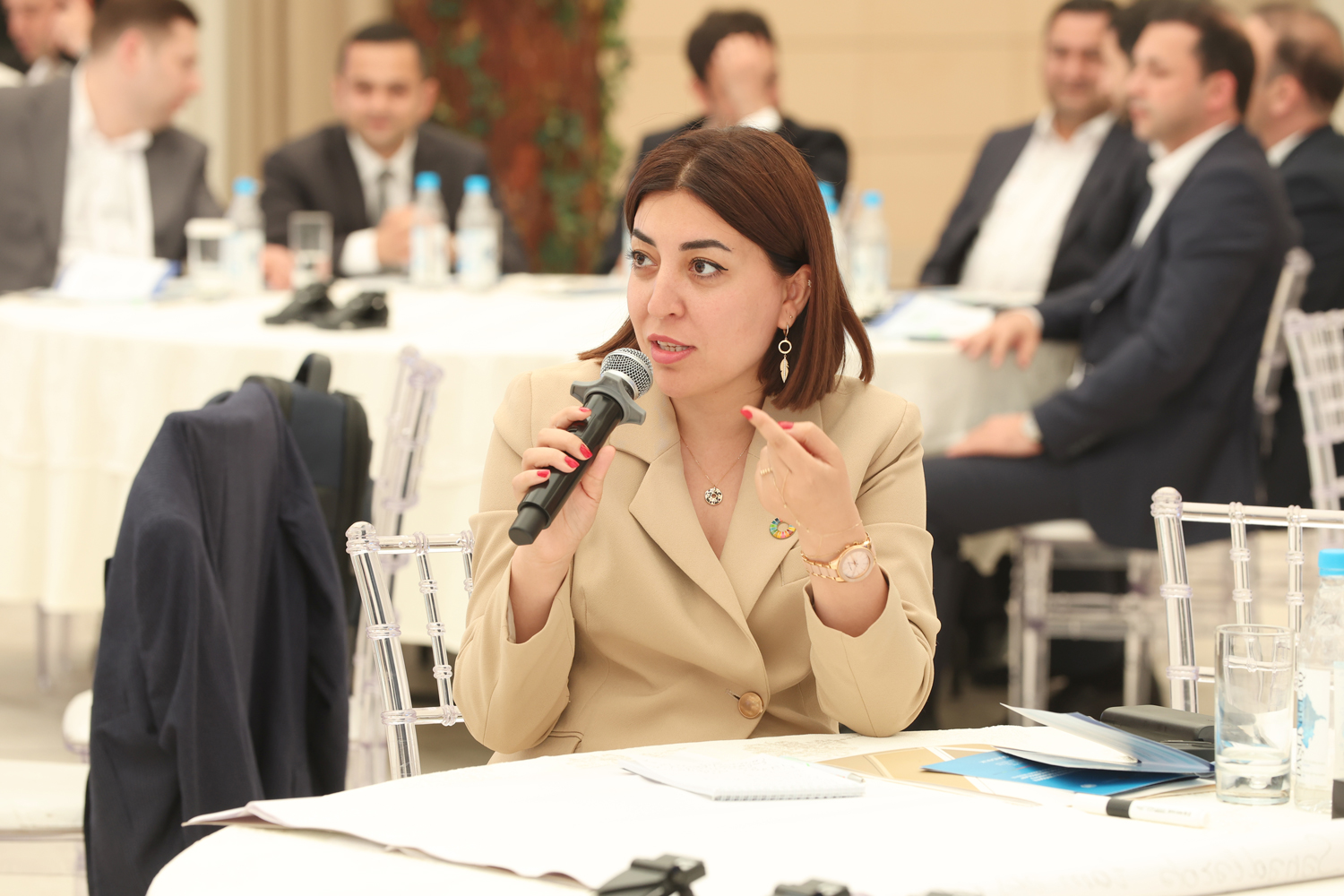
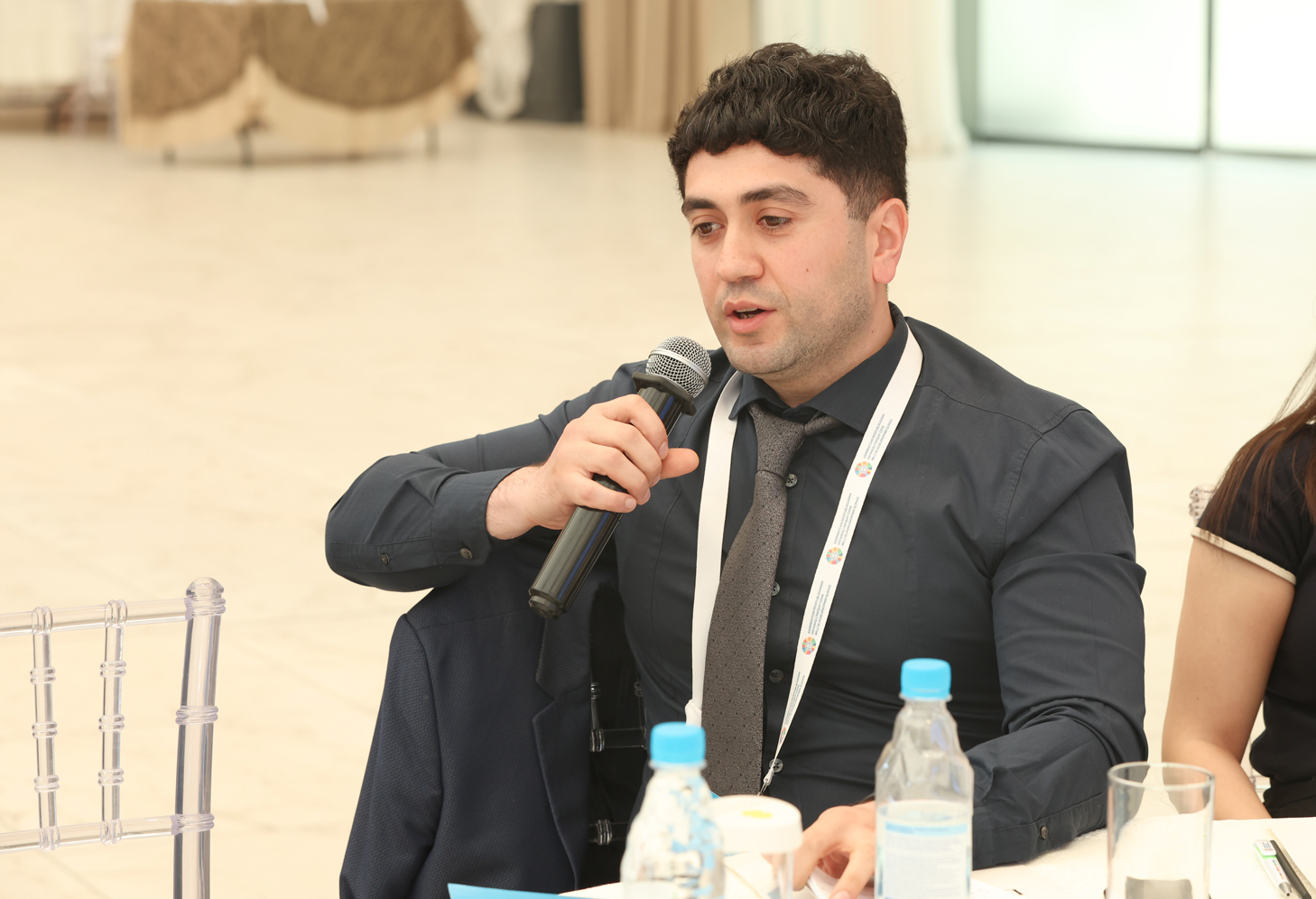
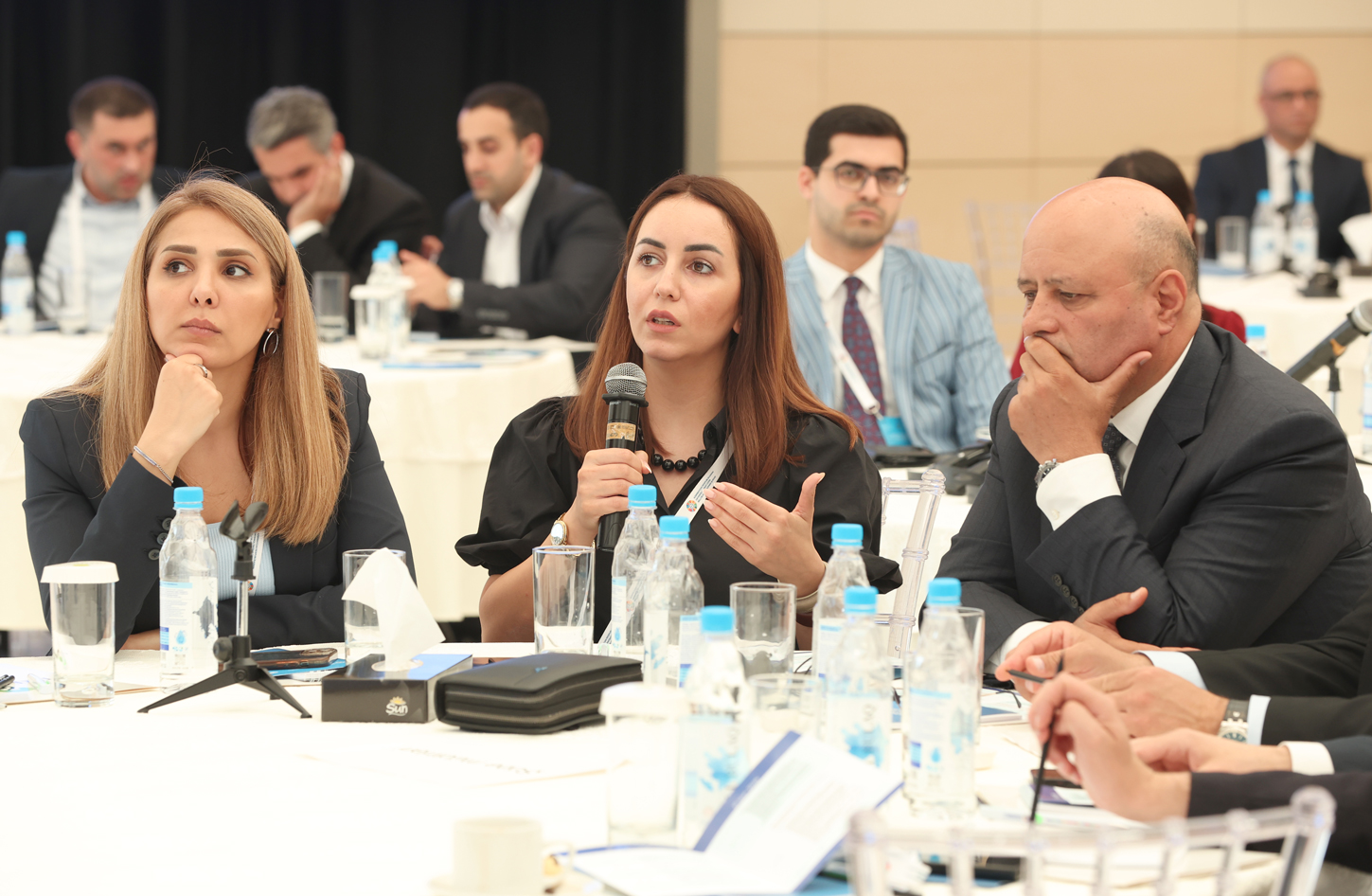
The event continued with interactive discussions, during which participants exchanged views on the role of lifelong learning in economic growth and the development of competitive human capital.
It should be noted that five SDG Dialogues have been held so far. Within the framework of these dialogues, discussions have been conducted on a number of pressing topics involving representatives of the government, the United Nations, civil society, the private sector, and experts from academic circles.
 October 05, 2026 16:32
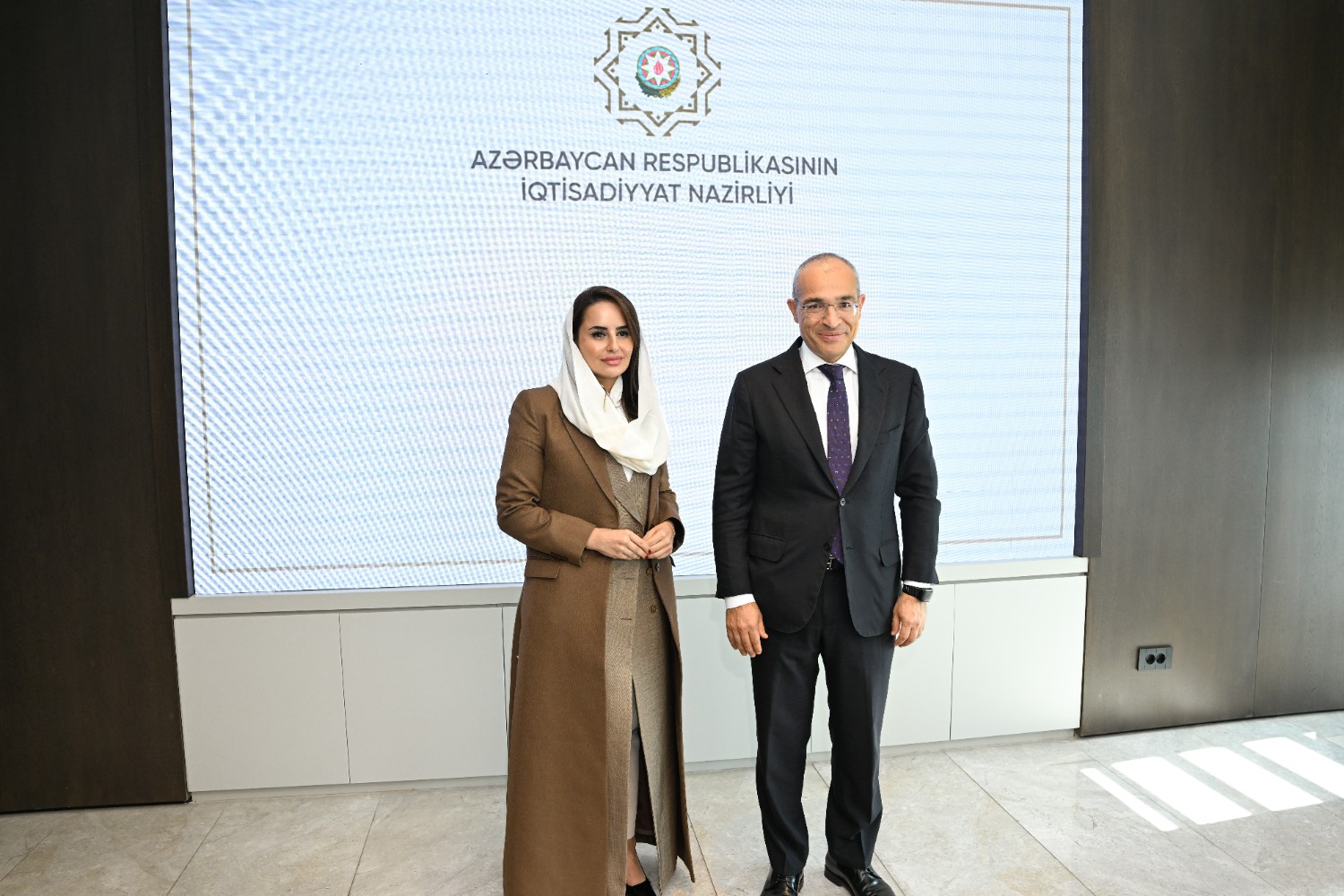
Minister of Economy Meets with Secretary-General of the Digital Cooperation Organization
October 05, 2026 16:32
Minister of Economy Meets with Secretary-General of the Digital Cooperation Organization