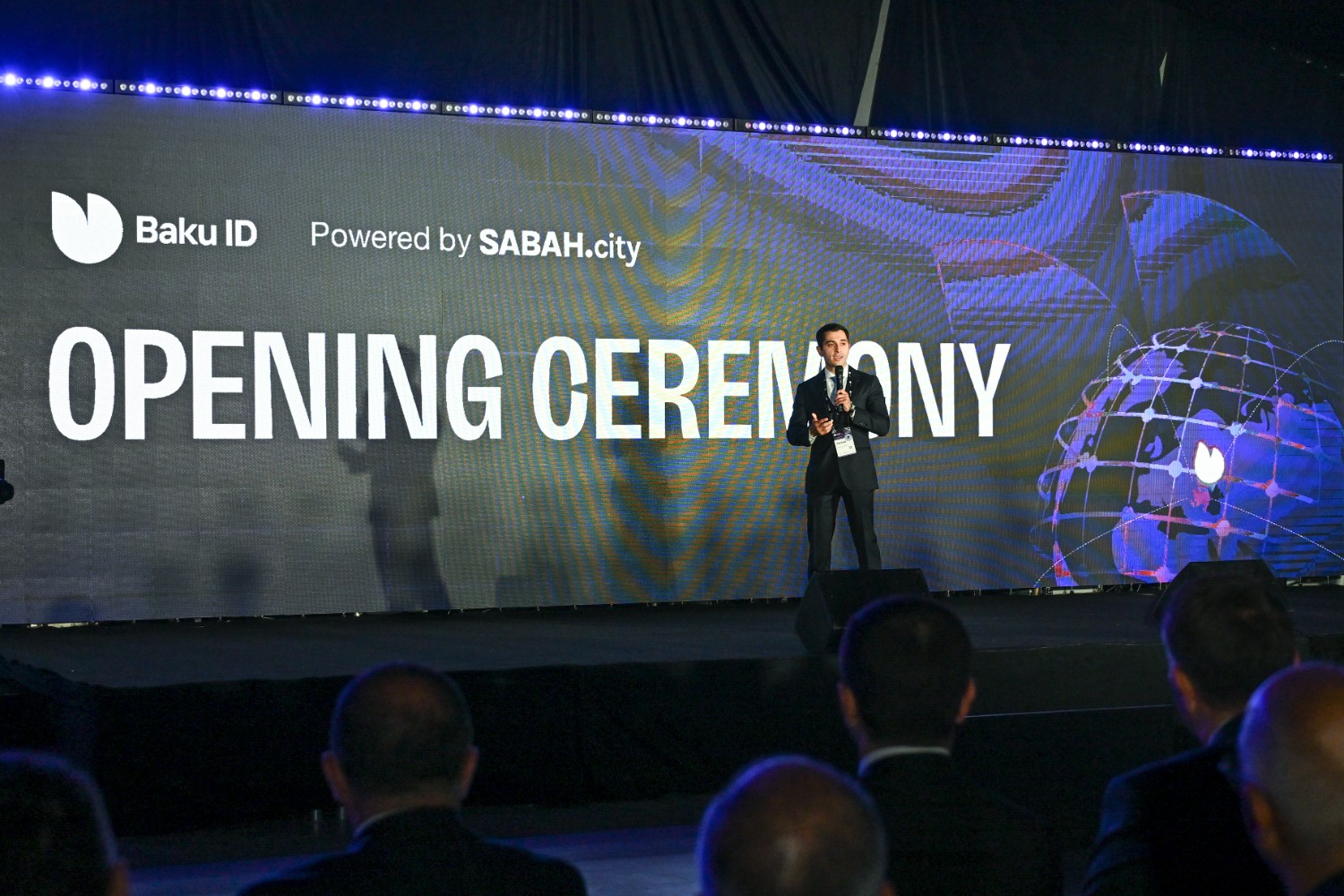
As part of the “Baku ID 2026” innovation festival, for which 4SIM serves as a strategic partner, representatives of the public and private sectors discussed priority skills in the labor market and the next steps in human capital development.
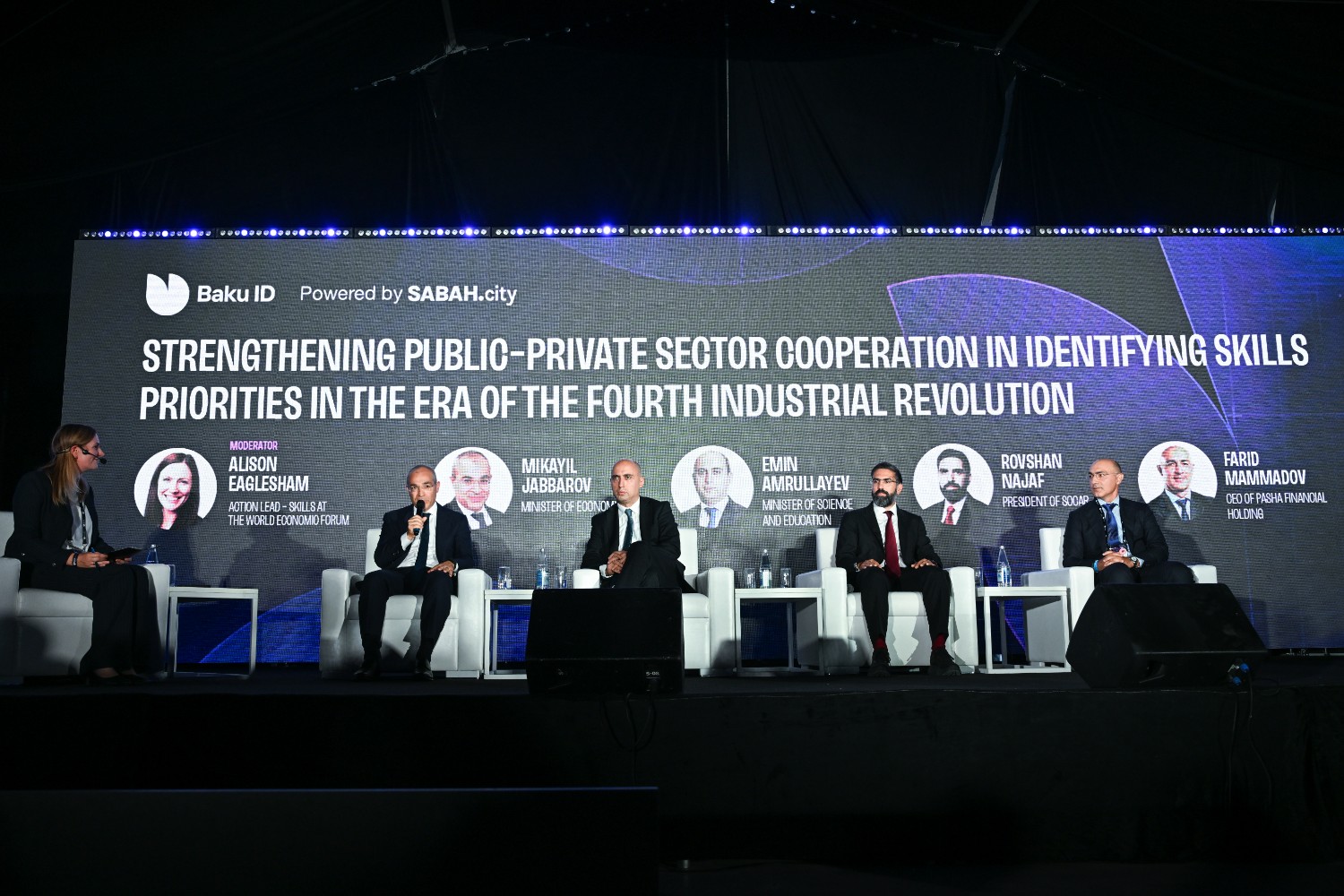
A panel discussion on the “Azerbaijan Skills Accelerator” was held at the “Baku ID 2026” innovation festival at the SABAH.city innovation campus, organized by the Center for Analysis and Coordination of the Fourth Industrial Revolution (4SIM) under the Ministry of Economy.
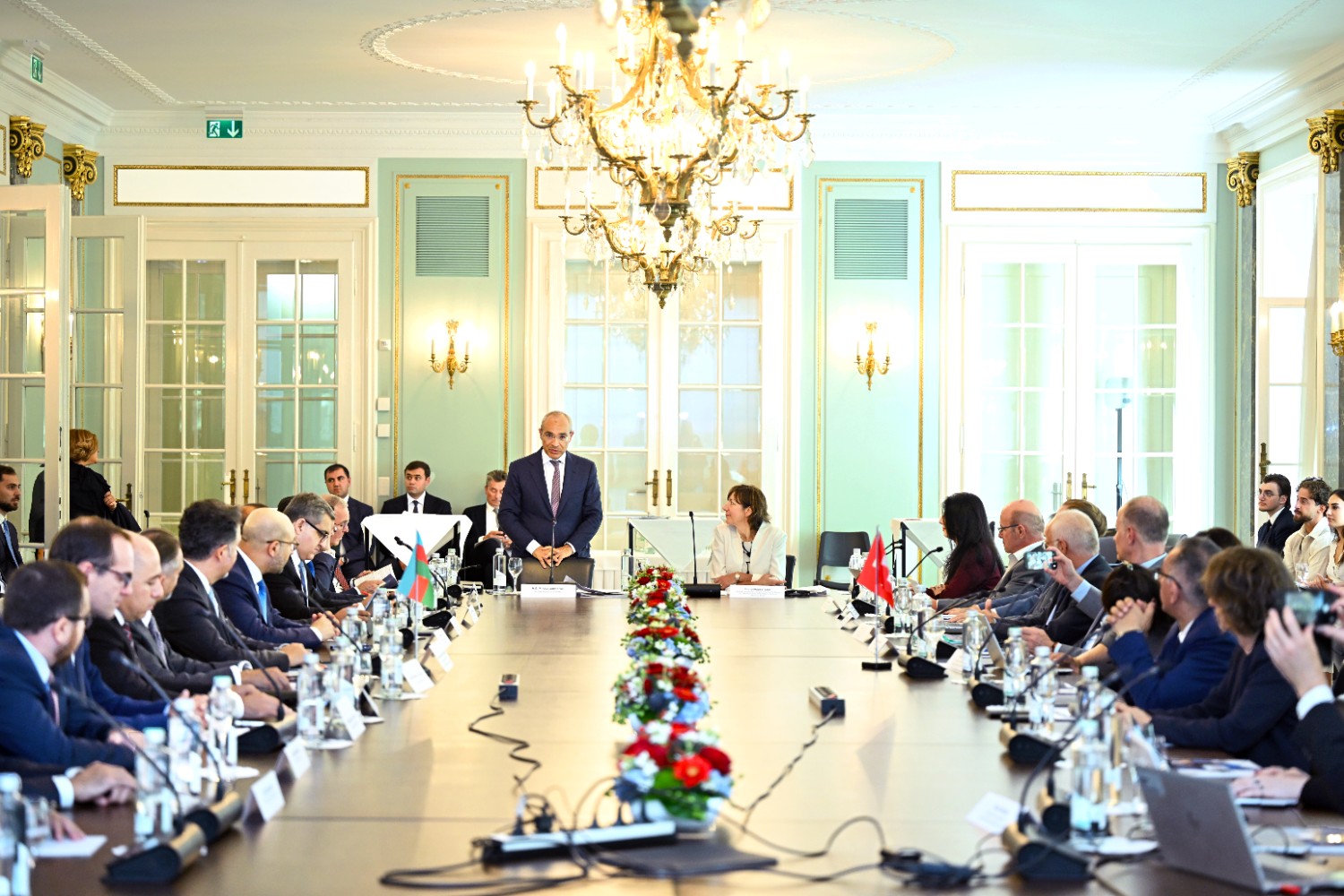
The panel discussion, titled “Strengthening Public-Private Sector Cooperation in Identifying Skills Priorities in the Era of the Fourth Industrial Revolution,” brought together the co-chairs of the Azerbaijan Skills Accelerator: Mikayil Jabbarov, Minister of Economy; Emin Amrullayev, Minister of Science and Education; Rovshan Najaf, President of SOCAR; and Farid Mammadov, Chief Executive Officer of PASHA Financial Holding.
During the session, the results of an assessment of Azerbaijan’s skills ecosystem conducted within the framework of the Azerbaijan Skills Accelerator Program were presented. The presentation covered the dynamics of Azerbaijan’s labor market, existing skills gaps, competencies required for the digital and green transitions, lifelong learning, and workforce mobility. The findings indicated the formation of a strong human capital base in areas such as resilience, change management, strategic thinking, and openness to learning.
The discussion, moderated by Alison Eaglesham, Action Lead for the World Economic Forum’s Skills Accelerator Initiative, focused on strengthening cooperation between the public and private sectors in identifying skills priorities and exploring possible approaches to addressing existing skills gaps. It was noted that enhancing knowledge and skills in areas such as artificial intelligence and data, cybersecurity, applied digital skills, and green skills would contribute to building a future-ready and competitive workforce.
The importance of developing domestic capabilities that enable Azerbaijan to generate and export its own knowledge, expertise, and innovations was also emphasized, along with the need to strengthen the skills and competencies required in strategic areas such as renewable energy, the services sector, and export-oriented industries.
It should be noted that the Skills Accelerator Network, launched by the World Economic Forum in 2019, currently covers more than 45 countries. To date, the initiative has supported the development of digital skills and access to new economic opportunities for nearly 15 million people.
The Azerbaijan Skills Accelerator initiative officially began operating in November 2025 within the framework of the World Economic Forum’s Global Accelerator Network. The initiative aims to support human capital development, identify current and future skills needs, and strengthen alignment between labor market requirements and workforce skills.

 September 17, 2026 14:40
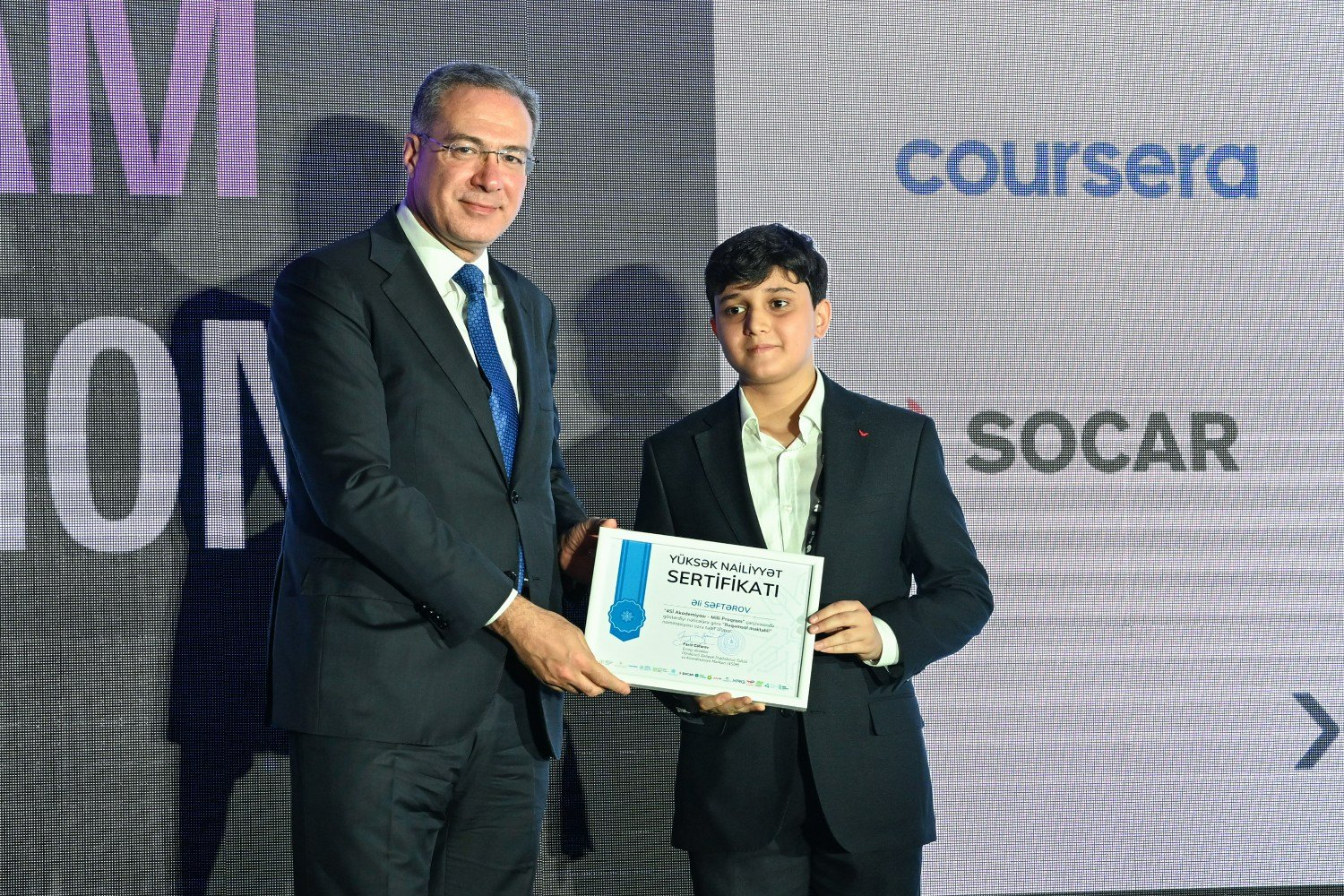
Participants of the “4IR Academy – National Program” Awarded as Part of “Baku ID 2026”
September 17, 2026 14:40
Participants of the “4IR Academy – National Program” Awarded as Part of “Baku ID 2026”
 September 10, 2026 18:22
Azerbaijan Participates in China International Fair for Investment and Trade
September 10, 2026 18:22
Azerbaijan Participates in China International Fair for Investment and Trade